
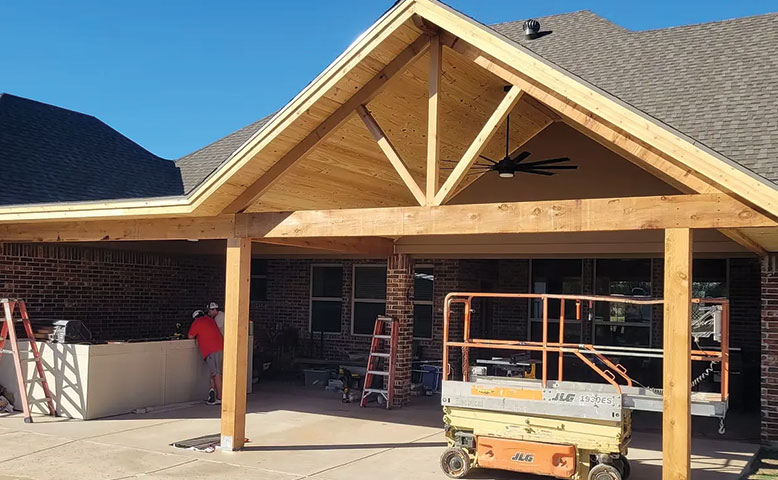
Covered porches are showing up on many homes for a simple reason: they make outside time easier. You can sit, read, or chat without harsh sun or a sudden shower sending you inside. A roof keeps the space cool and dry. It also protects the front door, steps, and packages. This lowers wear on paint and floors near the entry. A covered porch is not a big add-on room; it’s a smart roof and floor with a few key parts that work together. Builders can shape it to fit small or large lots. Families like it because it adds a useful stop between outdoors and indoors. From morning coffee to evening talks, the porch quickly becomes the most used spot at home.
More people want a low-stress way to enjoy fresh air. A covered porch gives shade, keeps shoes dry, and welcomes guests. It adds a social spot that is easy to reach and simple to keep clean. Many homes also gain curb appeal because the porch adds depth to the front face. When friends or delivery drivers arrive during the rain, they can stand under cover and stay dry. That alone is a daily win. Builders also note that a small porch can feel large if laid out well. With a few chairs, a side table, and space to move, it serves many tasks without feeling crowded. Parents can watch kids, teens can study, and pets can nap. Because it is open, there is no need to set up or put things away each time.
Benefits people notice fast:
Sun and rain are the two main reasons porches are rising. Shade drops surface temperatures on doors, locks, and siding. That helps paint and seals last longer. In warm areas, shade can cut heat gain at the front of the house. That means your air conditioner works a bit less during peak hours. In wet seasons, a roof stops puddles from forming at the threshold. The porch floor should slope away from the house so water does not pool. A simple slope is about 1/8 inch per foot. Add gutters and downspouts to move water off the roof and away from the foundation. Place splash blocks or drain pipes so water flows at least six feet out. With these steps, you get a dry, breezy spot that stays useful during summer sun and sudden showers alike.
Keep water under control with:
Good design starts with the path of the sun and local wind. If your porch faces west, plan for a deeper roof—often 5–7 feet—so shade reaches chairs in late day. For breezy sites, screen panels or cable rail can cut gusts without blocking views. Ceiling fans rated for “damp” or “wet” locations move air and help with bugs. Place outlets high enough to avoid splashes, and use GFCI protection outdoors. Light on a dimmer makes night use easy and safe. Pick clear walk paths; aim for 36 inches of space so people can pass without bumping knees. Door swings matter too: make sure the door and furniture do not fight for space. If you plan steps, keep rise and running uniform—uneven steps cause trips. These simple choices make a porch that feels calm and works well every day.
A quick design checklist:
Materials decide how the porch looks on day one and how it holds up. For posts and beams, pressure-treated lumber is common and proven. It resists rot and bugs. If you want very low care, steel posts with a powder coat are tough and neat. For the floor, you have three strong options:
For the roof, asphalt shingles match many homes and are easy to patch. Metal panels shed rain fast and reflect heat. In hail zones, choose a thicker gauge. Use stainless or hot-dip galvanized fasteners so you don’t get rust streaks. Where posts meet the ground, set them on concrete piers with metal post bases to keep wood off wet soil. These choices lower repairs and keep the porch solid for years.
Roof shape affects both looks and water flow. A shed roof (one slope) is simple and great when you need to tie into a wall under windows.
A gable roof (two slopes) gives headroom and lets hot air rise to the peak. Pick slopes with your climate in mind. In snowy places, a steeper pitch—often 4:12 or more—helps snow slide off. In mild, rainy sites, a metal shed roof can work well with a lower pitch, like 2:12, because smooth panels move water quickly. Always install ice and water shield where the porch connects to the house, and use proper flashing so water cannot creep behind siding. Size gutters to local storms.
A common guide is one downspout for each 600–800 square feet of roof, but heavy rain may need more. At ground level, send runoff away from the foundation with splash blocks or a buried drain line. Good drainage keeps the floor clean and the structure dry.
A porch must hold more than its own weight. It carries dead load (roof, beams, fasteners) and live load (people, furniture, planters). In snow areas, the roof must also handle the snow load. In windy zones, uplift can pull on the roof, so anchors and hurricane ties are key.
Most towns require a permit for a roofed porch. Expect checks on footing depth (often below the frost line), post size, beam spans, guard height if the porch is raised, and stair dimensions. Handrails are commonly around 36 inches high, but local rules can vary.
Electrical items outdoors must be rated for damp or wet locations, with GFCI protection and in-use covers. Lights should be labeled for outdoor use. Where the porch roof meets the house, use proper flashing and a drip cap to stop water from getting inside the wall. Clear plans and inspections lead to a safer build and smoother home insurance later.
Safety must-haves:
A little care keeps a porch strong for decades. Sweep often so the grit does not wear the floor. Rinse monthly to remove pollen and dust that can make surfaces slick. After big storms, check gutters and downspouts so water flows. Each spring, tighten loose screws on rails and furniture. For wood decks, look for soft spots and reseal before the surface turns rough. For composite boards, wash with mild soap and water—no harsh scrub needed. Metal roofs last a long time if you check screws and washers; replace hardened ones before leaks start. Keep shrubs trimmed back so air can move and dry the space after rain. If you see mold in a shaded corner, a gentle scrub with soap and a soft brush usually clears it. These small steps prevent larger fixes and keep the porch ready for daily use.
Simple upkeep routine:
A covered porch pays you back in daily comfort and future sale value. Dry steps and steady light make the entry safer. Shade lowers the sun on floors and furniture near the door, which can limit fading and reduce heat in front rooms. The porch also acts like a small room that needs no walls: kids can work on a project, friends can stop by, packages stay dry, and pets have a cool rest spot. Buyers often notice curb appeal first; a neat porch adds depth, shape, and life to the front of the home. Appraisers look at condition and function, and a solid porch scores on both. The plan is simple: right size, good materials, sound drainage, and safe wiring. When these parts are in place, the porch becomes the most useful few hundred square feet you can add.
Conclusion
A covered porch keeps sun and rain in check while adding a friendly space you’ll use every day. It protects the entry, helps control heat, and looks good from the street. If you want a porch that is safe, sturdy, and built to last, reach out to Scott Commercial Construction LLC. We can plan and build your porch and also provide residential remodeling services for the rest of your home. With a clear design, durable parts, and proper care, your porch can serve from morning to night for many years.

Scott Commercial Construction has proudly served Fort Worth for over three decades with efficient, honest, and skilled craftsmanship on every project, big or small.
2025 © Scott Commercial Construction LLC Website Developed & Powered by MYAIO