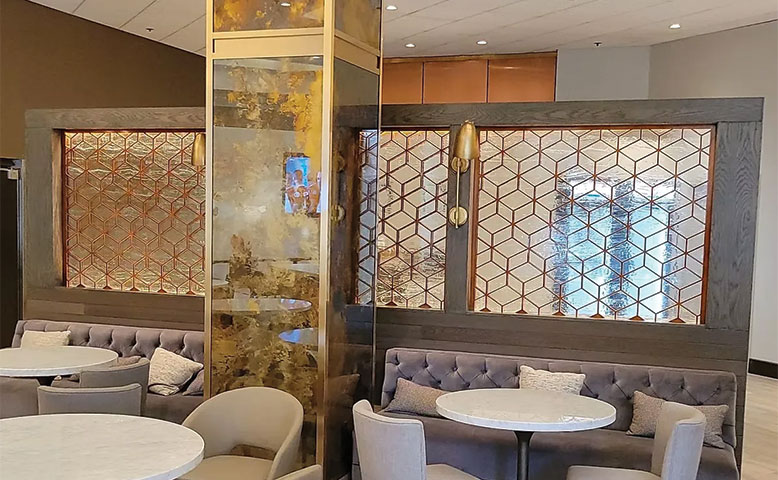
A hotel lobby is more than a waiting area. It is the first place guests judge, the last space they remember, and the center that sets spend and stay decisions. When bookings slip, the lobby can either push guests away or pull them in. Smart remodeling turns that space into a helpful tool. Clear paths, good light, fast check-in, and small spots to sit all affect mood and revenue. The goal is simple: make it easy for guests to arrive, decide, and buy. This article shows how design choices can fix churn, lift ratings, and grow profit, using plain steps any owner or manager can act on today.
First Impressions Start Working The Moment Guests Enter
Guests decide fast. Research in retail shows people form a first opinion within seconds of entry. Your lobby can help you here. Keep sightlines open from the door to the desk and to key signs like “Check-In,” “Elevators,” and “Restrooms.” When guests see where to go, stress falls, and staff deal with fewer “where is” questions. That frees time for service and upgrades. A clean smell matters too; use a mild, neutral scent rather than a strong one. Keep noise low at the door by adding a small wind lobby or soft-close entrance. Use a durable floor at the entry that traps dirt in the first three meters. A simple welcome wall or display with a local map and events board turns a plain hallway into a helpful moment that can lead to extra bookings for tours or shuttles.
- Aim for clear lines from door to desk.
- Keep a neutral, light scent profile.
- Place a local events board near the path.
Traffic Flow That Feels Simple And Natural
If people bunch up, ratings drop. A good test is to map the three main paths: door to desk, desk to elevator, and door to lounge. Use tape for a week to mark where guests walk and where they bump into items. Move furniture to open a 5–6 foot clear lane. Angle chairs at 30–45 degrees to guide the walk rather than block it. Stanchions can feel harsh, so try floor inlays or different rug textures to hint at queues. For groups, create a “gather spot” off to the side with a long bench and luggage shelf. Families and tour groups will use it and free the main path. Add small wayfinding signs at eye level: one near the entrance, one near the desk, and one near the elevators. When flow improves, staff stress drops, guests move faster, and your lobby looks calm, which helps conversions at the desk.
- Keep a 5–6 foot main lane open.
- Angle seating to guide movement.
- Add a bench and luggage shelf for groups.
Lighting Choices That Guide Mood And Behavior
Light sets the stage and directs where people look. Think in layers:
- Ambient: 200–300 lux for general areas keeps spaces bright enough without glare.
- Task: 500–700 lux at the front desk helps staff see IDs and forms.
- Accent: 50–150 lux on art or signs draws attention without harsh hot spots.
Use LEDs with a color temperature around 3000–3500K for warm, welcoming light. Aim for a Color Rendering Index (CRI) of 90+ so skin tones and finishes look natural. Add dimming controls with time-of-day presets: morning bright, afternoon moderate, evening softer. Motion sensors in low-use zones (business corner, side corridors) cut power and maintenance. Pick fixtures with easy-access drivers so your team swaps parts in minutes. Good lighting reduces check-in errors, helps guests read signs, and makes photos look better, which nudges social shares and free marketing for your property.
Front Desk Design That Speeds Up Service
The desk is your profit gate. Slow lines lose upgrades and add refunds. Shape and height matter: a two-level counter (36″ guest writing surface, 42″ staff surface) supports ADA needs and comfort. Keep the guest side free of clutter so documents slide easily. For queue math, a single serpentine line often beats multiple small lines because it feels fair and moves evenly. Add a “Help Here” podium for quick tasks like key reprints or parking slips. Self-check-in kiosks cut average service time; place them at a 45-degree angle to the main desk so staff can assist without leaving the station. Store key cards, printers, and POS within a 24–30″ reach zone to reduce staff steps. When average handling time drops by even 20–30 seconds, lines shrink, more guests say yes to upgrades, and stress fades for both sides.
Materials And Maintenance That Lower Lifetime Costs
Pick finishes that survive heavy use and still look fresh.
Consider:
- Flooring: Porcelain tile or LVT with a 20–28 mil wear layer for high traffic. Choose slip resistance (DCOF ≥ 0.42) at wet entries.
- Walls: Scrubbable paint (eggshell or satin) or wall protection panels near luggage paths; corners need guards.
- Seating: Stain-resistant fabric (≥100,000 double rubs) or faux leather with antimicrobial coating.
- Acoustics: Ceiling tiles or wall panels with NRC 0.7+ to reduce echo and raise speech clarity at the desk.
Build a maintenance plan into the design: extra boxes of tile, a labeled paint kit with exact color codes, and a quarterly deep-clean schedule. Simple swaps stay cheap when parts match. Good materials lower downtime from repairs, reduce slips and claims, and keep the lobby looking new. That helps pricing power and protects guest scores, which feed booking engines and group deals.
Technology Touchpoints Guests Expect From Modern Lobbies
Guests want quick, helpful tech that does not confuse them. Place two to four QR codes at clear points: Wi-Fi, local dining, events, and feedback. Make sure QR links open mobile pages, not heavy PDFs. Add two self-check-in kiosks near the desk with clear “Scan ID Here” labels and a staff line of sight. Provide a small, open cowork table with four outlets and USB-C ports. For digital signs, set a simple loop: welcome, today’s meetings, shuttle times, and a two-line promo for upgrades or late checkout. Use a small CRM tip: prompt guests at check-in to pick a perk (drink, snack, or points). Then suggest a paid add-on that matches the choice. Keep tech steady and easy, not flashy. Less confusion means faster lines and a higher chance of guests saying yes to small extras.
Measuring Results To Prove Return On Remodeling
You cannot manage what you do not measure. Track a few clear numbers before and after the remodel:
- Average Check-In Time (AHT): from first contact to key in hand.
- Queue Length At Peak: count every 10 minutes from 5–7 p.m.
- Upgrade Acceptance Rate: percent of guests buying a higher room or add-on.
- Lobby Dwell Time: average minutes a non-checked-in guest stays in common areas.
- Energy Use Intensity: kWh per square foot for lobby lighting and outlets.
Set a 6-week baseline, remodel, then measure for 6–12 weeks. A/B simple ideas: one week with kiosk prompts on, one week off. Use heat maps from a small camera or manual counts to see traffic lines. If AHT drops 15% and upgrades rise 5%, you will feel it fast in monthly results. Share wins with your team and tie small bonuses to these numbers so habits stick.
Conclusion: Simple Lobby Changes Can Grow Profit
A small set of clear moves can turn a lobby into a steady profit center: open sightlines, smooth paths, smart light, faster desks, durable finishes, and easy tech. These steps lift guest mood, speed choices, and grow add-on sales without waste. If you want a partner who plans, builds, and keeps you on budget, Scott Commercial Construction LLC can help. We provide commercial remodeling services that focus on function, comfort, and results.